

Let’s answer the question directly.
If your primary goal is Christian spiritual growth, Gospel rap is usually the better foundation.
But don’t stop there.
Commercial hip hop can still help you process pain, understand culture, name injustice, and confront the realities many people live through every day. The issue isn’t whether every commercial song is automatically “bad.”
The issue is formation.
Whatever you repeatedly listen to is teaching you something about identity, success, relationships, suffering, and God.
So ask yourself: What is my music discipling me to love?
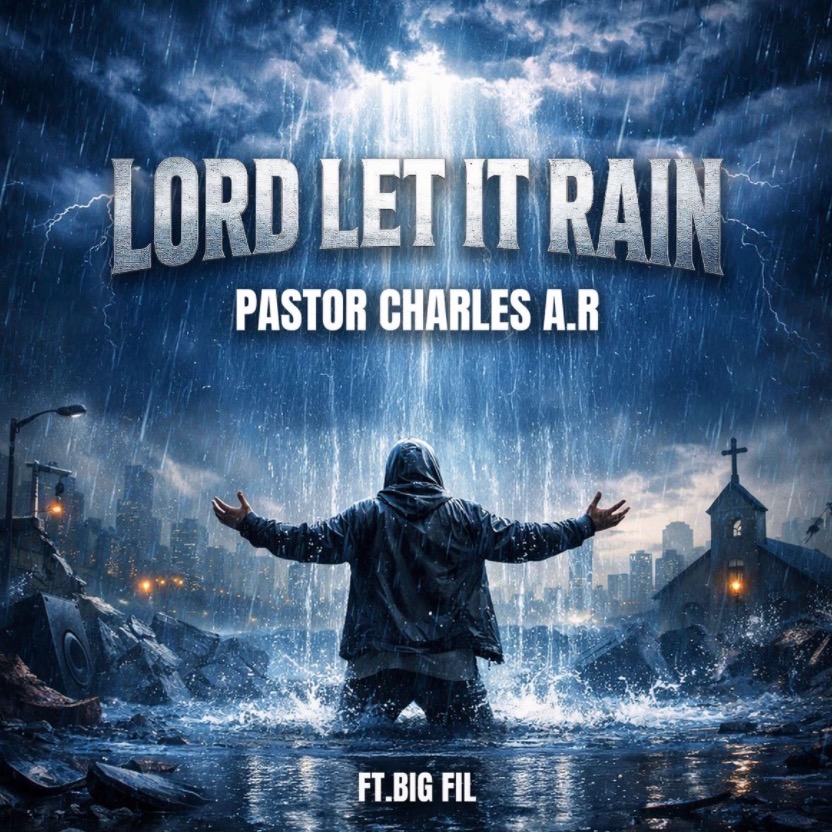
That question matters to me as both a Christian Hip Hop artist signed to Holy Culture Records and a ministry leader connected to The Church With Legs.
The Church With Legs exists to carry the Gospel beyond the four walls. That mission shapes how I see music. A song can meet you in the car, the gym, the hospital room, the apartment, or the late-night moment when your mind won’t slow down.
Music travels.
So does its influence.
Gospel rap and commercial hip hop serve different centers
Both genres use rhythm, storytelling, cultural language, and personal experience. Both can speak honestly about trauma, ambition, loss, anger, depression, survival, and hope.
But they often point toward different answers.
Gospel rap typically centers:
- The character of God
- The authority of Scripture
- The saving work of Jesus Christ
- Repentance and discipleship
- Grace, redemption, and new identity
- Healing through faith and community
Commercial hip hop often centers:
- Personal achievement
- Wealth and social status
- Survival and resilience
- Street credibility
- Relationships and desire
- Cultural critique
- Autonomy and self-definition
That distinction doesn’t make commercial hip hop meaningless. In fact, hip hop has always carried spiritual and sacred themes through stories of struggle, injustice, identity, and liberation. Research on hip hop and religion continues to show how the culture functions as a space for meaning-making and spiritual questioning.
But commercial hip hop usually doesn’t offer a consistent Christian framework for interpreting those questions.
It may ask, How do I survive?
Gospel rap asks, Who is God in my suffering, and how does Christ redeem my life?
Those are related questions.
They aren’t the same question.
Spiritual growth requires more than inspiration
A powerful beat can move you. A transparent verse can make you feel seen. A commercial song can expose a social reality you’ve never considered.
That’s valuable.
But emotional impact isn’t the same as spiritual formation.
Spiritual growth requires truth that changes your thinking and directs your actions. Scripture describes this process as the renewal of your mind in Romans 12:2.
So don’t only ask whether a song sounds good.
Ask what it is building in you.
Does it make you more:
- Honest?
- Humble?
- Compassionate?
- Self-controlled?
- Courageous?
- Grateful?
- Available to God?
- Willing to forgive?
Or does it consistently make pride, lust, revenge, greed, bitterness, and self-worship feel normal?
Here’s the thing: your playlist may be functioning like a private theology class.
Every song makes claims. Some are explicit. Others hide inside the hook.
Who deserves glory?
What makes someone valuable?
What should you do with pain?
What does freedom look like?
What happens when you fail?
Gospel rap gives you a Christ-centered vocabulary for answering those questions. It brings biblical truth into modern sound, current language, and familiar cultural spaces.
That’s not a compromise.
That’s contextual ministry.
Biblical truth and cultural relevance can coexist
Some people assume biblical music must sound disconnected from current culture.
Others assume cultural relevance requires abandoning theological substance.
Both assumptions are wrong.
The Gospel doesn’t become less true when it enters a 808-driven beat. Scripture doesn’t lose its authority when it’s explained through rhyme, metaphor, or double entendre. Cultural relevance doesn’t require spiritual compromise.
It requires wisdom.
My own music blends sound doctrine with Southern 808s, East Coast boom-bap percussion, rapid delivery, and layered lyricism. That combination creates a bridge. You can engage the culture without allowing the culture to become your master.
The goal isn’t to make the Gospel fashionable.
The goal is to make the Gospel accessible without making it shallow.
Mental health: both genres can name the pain
This is where the comparison becomes more nuanced.
Commercial hip hop has often given language to experiences people struggle to explain: depression, poverty, racism, grief, addiction, anger, family instability, and the pressure to appear strong while falling apart.
That honesty can matter.
Sometimes a listener hears a commercial artist describe pain and realizes, I’m not the only one.
That recognition can open the door to healing.
Gospel rap can do something similar while adding a crucial dimension: pain is real, but it doesn’t have the final word.
As someone with more than 15 years of experience in mental healthcare, training, leadership development, crisis intervention, suicide prevention, and mental health awareness, I believe we need both honesty and responsibility.
Faith should never be used to shame people for needing professional support.
Prayer matters.
Scripture matters.
Christian community matters.
Licensed mental health care can matter, too.
Gospel rap is not a replacement for therapy, crisis services, medication when clinically appropriate, or trusted professional support. But it can help reduce shame, encourage hope, and remind listeners that their diagnosis, trauma, or worst season does not define their entire identity.
Listen to “It’ll Be OK” featuring Rufus Johnson as an example of music that speaks to endurance without pretending life is easy.

The message isn’t, “Ignore your pain.”
The message is, “Face your pain with truth, support, and hope.”
That distinction can save lives.
Redemption is where the difference becomes clearest
Commercial hip hop often tells redemption stories.
An artist escapes poverty. Overcomes betrayal. Builds a career. Provides for family. Turns pain into influence.
Those victories deserve recognition.
But Gospel rap points beyond personal success.
Christian redemption is not simply becoming a stronger version of yourself. It is being reconciled to God and transformed through Christ.
That changes the ending.
You are more than what you survived.
You are more than your mistakes.
You are more than your public image.
You are not saved by achievement, money, applause, or lyrical skill. You are saved by grace.
That message confronts both despair and pride. It tells the person who feels disqualified that restoration is possible. It tells the person who feels self-sufficient that they still need God.
That’s the power of testimony.
Tracks like “Depend On You” connect faith with dependence, community, and perseverance. Those themes belong in real life: not just inside church buildings.
When music carries redemption into ordinary spaces, ministry starts moving.
Use discernment instead of fear
Should you stop listening to all commercial hip hop?
Not necessarily.
Should you listen without thinking?
Absolutely not.
Paul’s guidance in 1 Corinthians 10:23 gives us a better framework: not everything that is permissible is beneficial or constructive. Philippians 4:8 also challenges you to consider what is true, honorable, just, pure, lovely, commendable, excellent, and worthy of praise.
Apply that framework practically.
Before you press play, ask:
-
What does this song celebrate?
Does it glorify healing, honesty, and courage: or destruction, exploitation, and pride? -
What does it normalize?
Repeated exposure can make harmful ideas feel ordinary. -
What does it awaken in me?
Does the song produce gratitude and reflection, or does it inflame temptation, rage, anxiety, or hopelessness? -
Can I engage it with a clear conscience?
Don’t override the conviction you already recognize. -
Is it forming me or merely distracting me?
Entertainment has a place. Just don’t confuse escape with growth.
Here’s a simple model:
- Make Gospel rap your formative foundation.
- Engage commercial hip hop as culture, not as your spiritual authority.
- Filter every message through Scripture, wisdom, conscience, and community.
- Pay attention to the long-term effect on your mind and behavior.
You don’t need fear.
You need discernment.
So, which is better for your spiritual growth?
Gospel rap is better when you want music that intentionally teaches biblical truth, strengthens faith, explores redemption, and points you toward Christ.
Commercial hip hop can still offer cultural insight, emotional honesty, and meaningful stories of survival. But it often leaves the deepest spiritual questions open: or answers them through achievement, self-reliance, pleasure, or revenge.
That’s why the answer isn’t simply “never listen to commercial hip hop.”
The better question is:
Which music is shaping you most: and is that formation moving you closer to Jesus?
Use music as a bridge.
Use it to start conversations about mental health, justice, Scripture, identity, and hope. Carry the Gospel beyond the four walls. Let biblical truth meet people in the spaces where they already live.
And remember: the best soundtrack for spiritual growth won’t just entertain your ears. It will challenge your heart, renew your mind, and send you back into the world with purpose.
Parting shot: Don’t let your playlist disciple you by accident. Choose what forms you.